Gas Leak Signs and What to Do: A Calm, Step-by-Step Guide for Perth Homes
Most of the time, gas in your home just works. The cooktop lights, the hot water runs, the heater warms the lounge room. You stop thinking about it, which is exactly how it should be. But if you ever suspect a leak, you want a clear plan you can follow without having to think hard, because a gas leak is one of the few household problems where the right first move is to walk away from the house.
- Licensed & InsuredPL 6567 · GF 9850
- Same-Day ServiceSame-day repairs available
- Free QuotesUpfront fixed pricing
- Based in DianellaServicing the Perth metro area
This guide covers the signs of a possible leak, what to do in the first few minutes, who to call, and what a licensed gas fitter does afterwards to make the home safe. It is general advice. If you believe there is any immediate danger to people, do not read on. Get everyone out and call for help.
The signs of a possible gas leak
Natural gas and LPG are naturally odourless, so the gas supplier adds a distinctive smell to make leaks easy to notice. Most people describe it as rotten eggs or sulphur. That smell is your strongest early warning.
Other signs that something may be wrong:
- A hissing or whistling sound near a gas appliance, pipe, meter or cylinder.
- A gas smell that comes and goes. A faint whiff near the cooktop right after it is turned off might be a small amount of unburnt gas, but a smell that lingers or returns is a reason to act.
- Dead or discoloured vegetation in a small patch near an underground gas line outside, where the rest of the garden is healthy.
- Bubbling in wet ground or standing water near a gas line.
- Physical symptoms among people or pets indoors, such as headaches, dizziness, nausea or fatigue. Building and Energy lists headaches, fatigue, nausea and flu-like symptoms as symptoms of carbon monoxide exposure, which is a related but separate danger from poorly burning gas appliances.
- An appliance that behaves oddly, such as a flame that has changed colour or a heater that is hard to relight. Building and Energy highlights both as warning signs for a gas heater.
Not every one of these means a leak, and a faint smell is not worth ignoring just because you cannot find the source. If you are unsure, treat it as a leak until a professional says otherwise.
What to do straight away
The goal in the first few minutes is simple: stop anything that could ignite the gas, let fresh air in, and get yourself and everyone else out.
Do these things
- Put out any naked flames. Cigarettes, candles, a gas burner you can safely turn off.
- Open doors and windows on your way out if it is quick and safe to do so, so gas can disperse.
- Turn off the gas at the meter or the cylinder if you know where it is and can reach it safely and without delay. If you are not sure how, leave it and get out.
- Get everyone outside, including children and pets, and move away from the house, upwind if you can tell which way the breeze is blowing.
- Call for help from a safe distance outside. More on who to call below.
- Keep other people away until the all-clear has been given. That includes neighbours who might wander over to see what is happening.
Do not do these things
- Do not switch lights or appliances on or off. Any electrical switch can create a spark. That includes the doorbell, the garage door remote and the exhaust fan.
- Do not use a phone inside the house if you suspect a significant amount of gas has built up. Make the call after you have stepped outside.
- Do not start a car in an attached garage.
- Do not try to find the leak with a flame. This is an old and dangerous myth.
- Do not go back inside to collect belongings until you have been told it is safe.
- Do not try to repair the leak yourself. Gasfitting is licensed work.
Who to call
Your call order depends on how serious it seems.
If there is a strong smell of gas, a sound of escaping gas, a fire, an explosion or anyone is unwell, call emergency services (triple zero) first from a safe place outside, then call the gas emergency line. On the ATCO natural gas network in WA, that is the ATCO Gas Faults and Emergencies line on 13 13 52, which ATCO lists as open 24 hours. If you use LPG bottles, call your LPG supplier.
If you have a smaller concern, such as an occasional faint smell near an appliance, contact your gas supplier's faults line for guidance, and have a licensed gas fitter inspect the installation..
Be honest about what you can and cannot say over the phone. You do not need to know what the problem is. You just need to describe what you smelled, heard or saw and where.
Why you should never DIY a gas problem
It can be tempting to tighten a loose fitting, wrap thread tape around a connector or swap a flexible hose. Please do not. Under Western Australian rules, gasfitting work must be done by a person holding the appropriate gasfitting licence or permit from Building and Energy. A licensed fitter has the training, the testing equipment and the legal responsibility to do it properly.A fitting that looks tight can still weep gas. Without a test, you cannot know.
There is a second reason. If you do a repair yourself and something later goes wrong, your insurer may want to know who did the work. A licensed fitter gives you paperwork. A neighbour or a weekend repair does not.
Where leaks tend to happen
Every home is different, but leaks usually show up in a few predictable places. Knowing them helps you describe the problem to the fitter and helps you spot the early warning signs.
- Appliance connections. Cooktops, ovens, heaters and hot water units connect to the gas supply with fittings and flexible hoses. These can loosen, wear or be knocked, particularly when an appliance is moved for cleaning.
- Gas bayonets and isolation valves. The wall outlet that a portable heater plugs into, and the shut-off valves near appliances, can wear internally.
- Pipework. Pipes can corrode, get knocked by building work or garden digging, or shift when a house settles.
- Meters and regulators outside the home, and LPG bottle connections where cylinders are used.
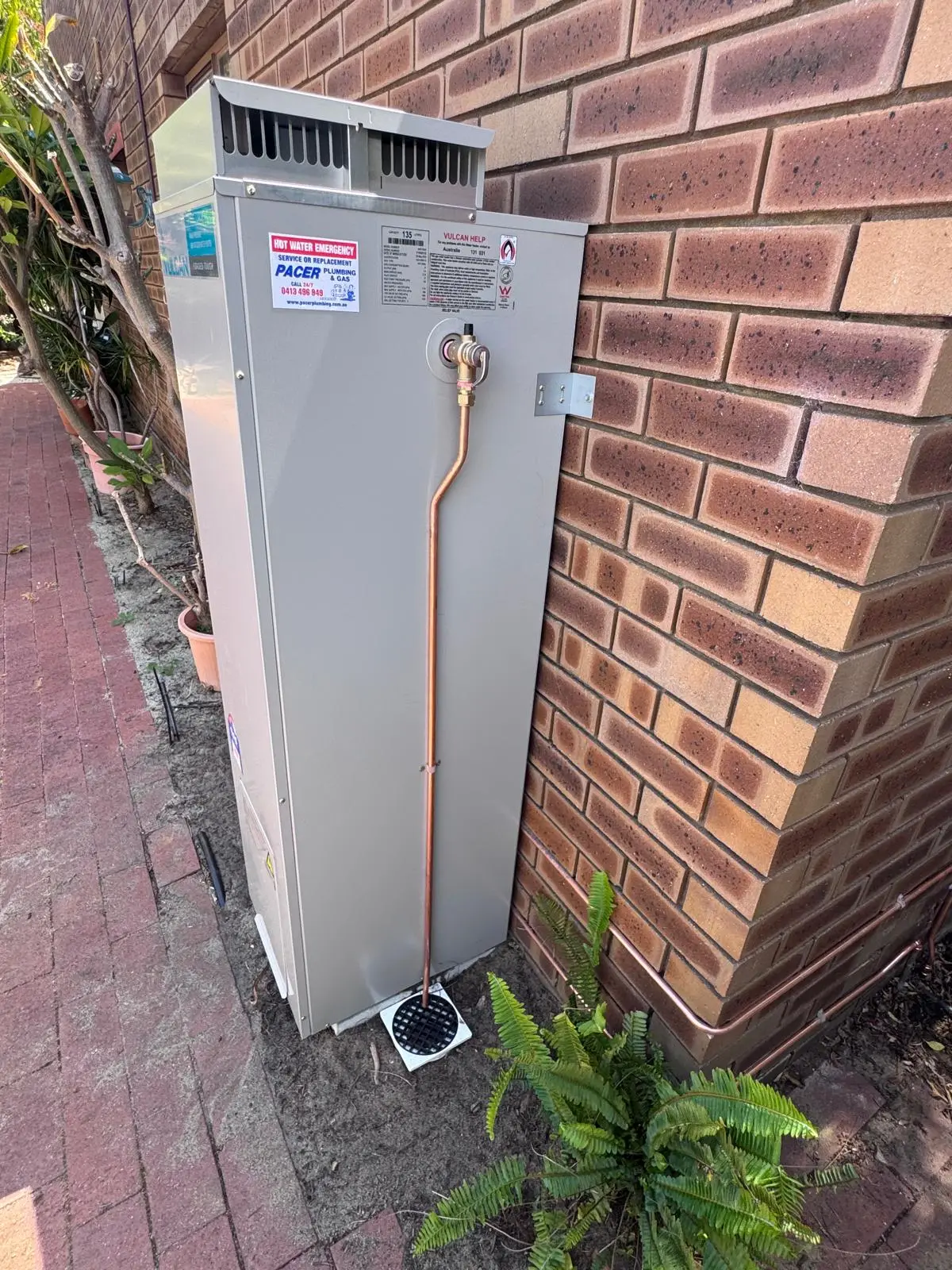
- Hot water systems. If your gas storage or instant hot water unit has not been checked in a while, it is worth including in an inspection. See our guide to gas hot water systems for the basics.
- After renovations. Any time kitchen, laundry or outdoor work moves an appliance, the gas connections should be checked and signed off.
After the immediate danger: what a licensed gas fitter does
Once everyone is safe and the supplier or emergency services have attended, you will want a licensed gas fitter to find the cause and fix it.
A typical visit includes:
- Discussing what you noticed so the fitter knows where to focus.
- Isolating the supply to the affected part of the installation if that has not already been done.
- Locating the source using proper detection equipment rather than guesswork.
- Repairing or replacing the faulty part, whether it is a hose, a regulator, a valve, a joint or a section of pipe.
- Testing the installation after repair so you know it is gastight before supply is restored.
- Checking the appliances that were affected, and the ventilation around them.
- Giving you paperwork. For work other than servicing, the gas fitter gives the customer and the gas supplier a Notice of Completion within 48 hours, and fixes a compliance badge to the work, except for natural gas network installations lodged through eNotice. Ask for your copy and keep it with your other home records.
If a part of the installation is not safe to repair, the fitter may recommend replacing it or leaving that appliance disconnected until it can be dealt with properly.That is the right call. A cold shower or a cold night is a better outcome than a risk to the house.
Preventing gas problems before they start
Most leaks are preventable with ordinary attention. A few habits go a long way:
- Service your appliances on schedule. For gas heaters, Building and Energy recommends servicing per the manufacturer's instructions or at least every two years, and every year if the appliance is more than ten years old. Our post on gas heater safety in a Perth winter goes through the detail.
- Know where your gas shut-off is. Everyone in the household who is old enough should know where the meter or cylinder valve is, and how it works. Show house sitters and tenants as well.
- Keep appliance areas clear. Do not store flammable items, cleaning products or boxes against a heater, hot water unit or cooktop.
- Use licensed people for every gas job, including moving a stove or putting in a new outdoor barbecue connection.
- Mind the digging. Before garden work, building work or fence posts, find out where gas lines run.
- Pay attention to small changes. A new smell, a new sound or an appliance that has started to behave differently is easier and cheaper to sort out early.
A word for renters
If you rent and suspect a gas problem, stop using the appliance, get yourself safe and tell your landlord or agent right away. Under Western Australian rules, essential services including gas are treated as urgent repairs, and the landlord must start to remedy them within 24 hours. If you smell gas strongly, safety comes first: leave, call for help and then tell the agent. Keep notes and copies of anything you send.
Talk to Pacer Plumbing & Gas
We are not a replacement for emergency services or your gas supplier, and in a real emergency you should call them first. But once the immediate danger is dealt with, or if you have a lower-level concern such as an appliance that is behaving strangely, we can help. Read about our gas fitting services, then call us on 0413 496 949 or use our contact page to explain what you have noticed. If it is not urgent, you can also book a visit online.
FAQ
What does a gas leak smell like?
Natural gas and LPG are naturally odourless, so a smell is added to help you notice leaks. Most people describe it as rotten eggs or sulphur. If you smell it, treat it seriously.
Should I turn the lights on to check?
No. Do not switch any electrical items on or off, because a switch can create a spark. Put out naked flames, open doors and windows on your way out if it is safe, and get everyone outside before calling for help.
Can I fix a gas leak myself?
No. Gasfitting work in Western Australia must be done by a person holding the appropriate gasfitting licence or permit from Building and Energy. A licensed gas fitter has the training and testing equipment to repair it and test that the installation is safe.
What paperwork should I get after gas work?
For work other than servicing, the gas fitter gives the customer and the gas supplier a Notice of Completion within 48 hours, and fixes a compliance badge to the work. The exception is natural gas network installations lodged through eNotice. Ask for your copy and keep it.
I rent. Who is responsible for gas problems?
Gas is an essential service and is treated as an urgent repair in Western Australia. The landlord must start to remedy it within 24 hours. If you smell gas strongly, leave and call for help first, then tell your landlord or agent. Landlords and agents should confirm details with Consumer Protection.